Like our muscles, our brain needs exercise to stay strong and healthy. Keeping your brain active helps you plan and control your movements, so you can do everyday tasks safely. It also improves your reaction time and alertness, helping you respond to trip hazards and prevent falls.
Tips for keeping a healthy mind
- Challenge your mind often with activities, hobbies, games or learning something new.
- Stay socially connected by spending time with family, friends and in the community.
- Get between 7-9 hours quality sleep at night to help you feel energised and think clearly. Speak to a GP about ways to improve your sleep hygiene.
- Poor ear health and hearing loss can impact your brain health. Have your hearing checked every year.
- Do 2-3 hours of physical activity every week.
- Eat regular meals from a variety of food groups. Omega-3 fatty acids found in fish and nuts are especially good for brain health.
- Limit alcohol consumption.
- Side effects from medication can affect how you think and feel. Get your medicines reviewed every year.
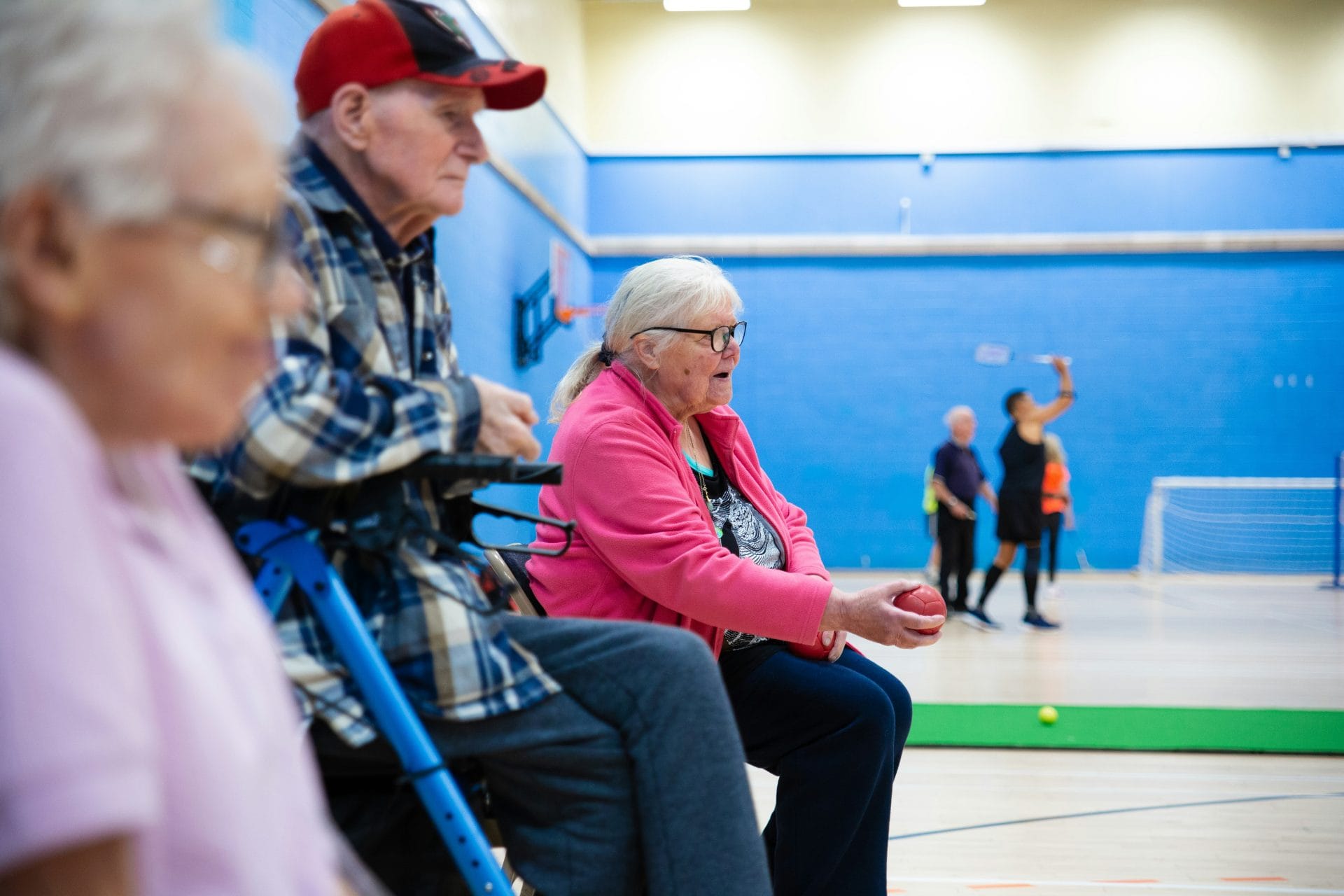
Challenge your mind often by doing dual-task activities. This helps your brain and body work together. Try:
- walking while talking
- recreational activities like dancing, tai chi, swimming, tennis, lawn bowls, or golf
- counting backwards in 3s while exercising
- saying the alphabet backwards while hanging out the washing
- cooking while listening to music.
Activities to help keep a healthy mind
There are many enjoyable activities that you can do at home and in the community to help you keep a healthy mind. Click on each heading to see the different activities.
- Chess.
- Puzzles and riddles.
- Sudoku.
- Mah Jong.
- Scrabble.
- Solitaire.
- Memory games.
- Card games.

- A musical instrument.
- A language.
- Creative writing.
- Singing, dancing or acting.
- Recipes.
- A recreational activity like swimming, tai chi, lawn bowls, or golf.
- Photography.
- Take an in-person or online learning course.

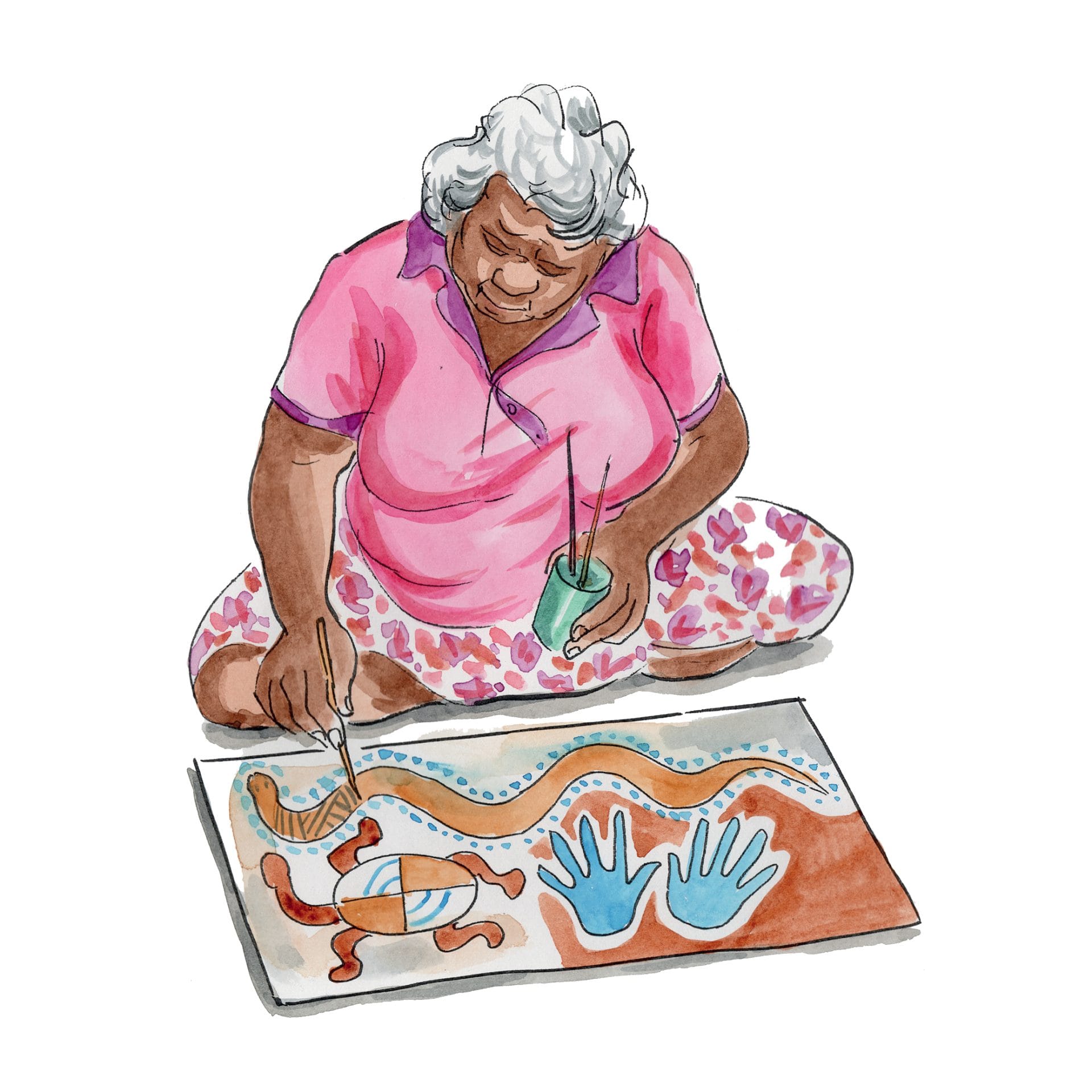
- Painting or drawing.
- Knitting.
- Pottery.
- Woodwork.
- Sewing.
- DIY projects in and around the home.
- Be physically active.
- Reading.
- Write in a journal or diary.
- Cooking and baking. Sharing healthy meals with friends and family is also a great way to keep a healthy mind.
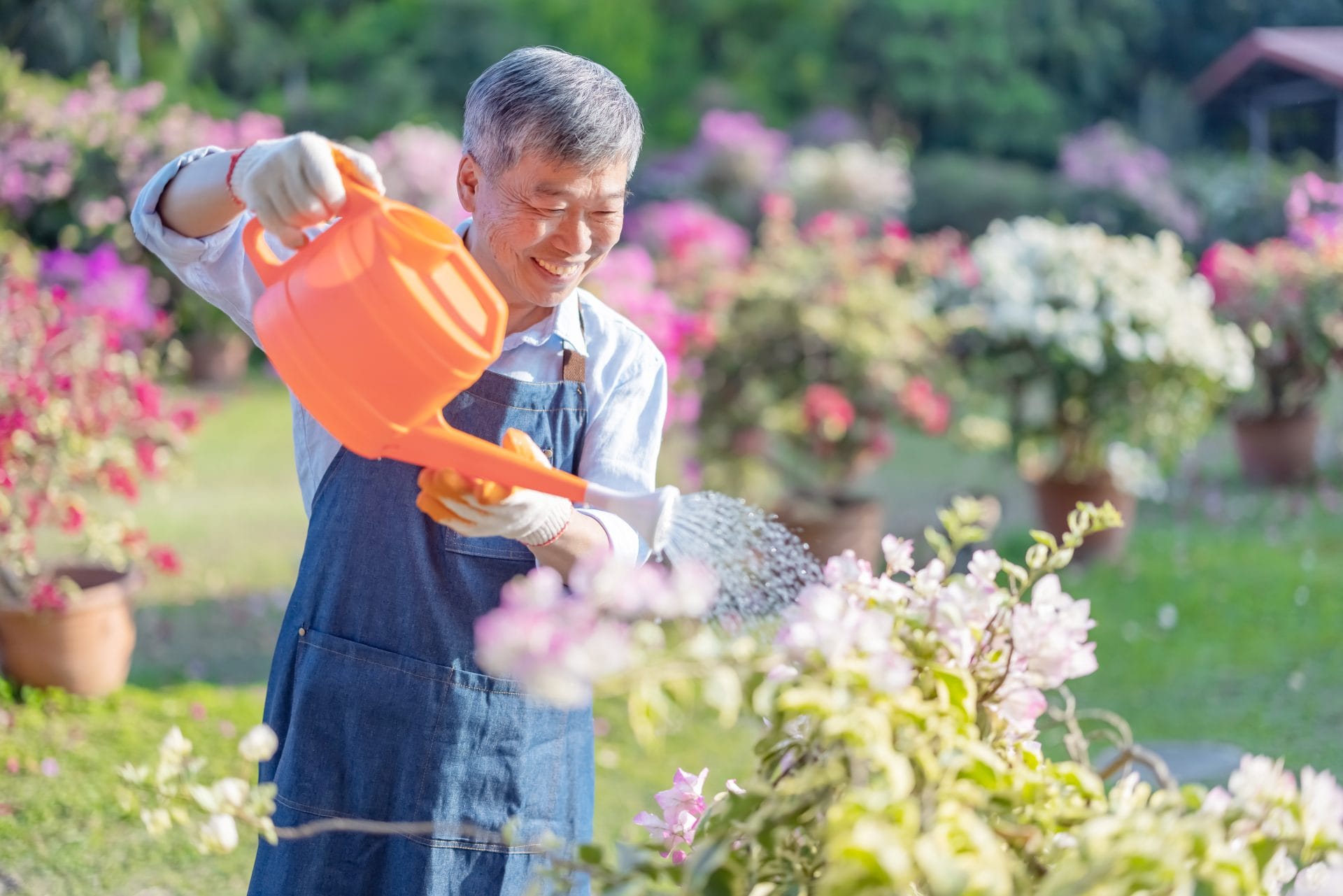
- Gardening.
- Meditation.
- Play games with your grandkids.
- Join social groups and activities at your local community centre.
- Join group exercise classes and walking groups.
- Join a book club.
- Volunteer.
- Catch up with friends and family in person and over the phone.
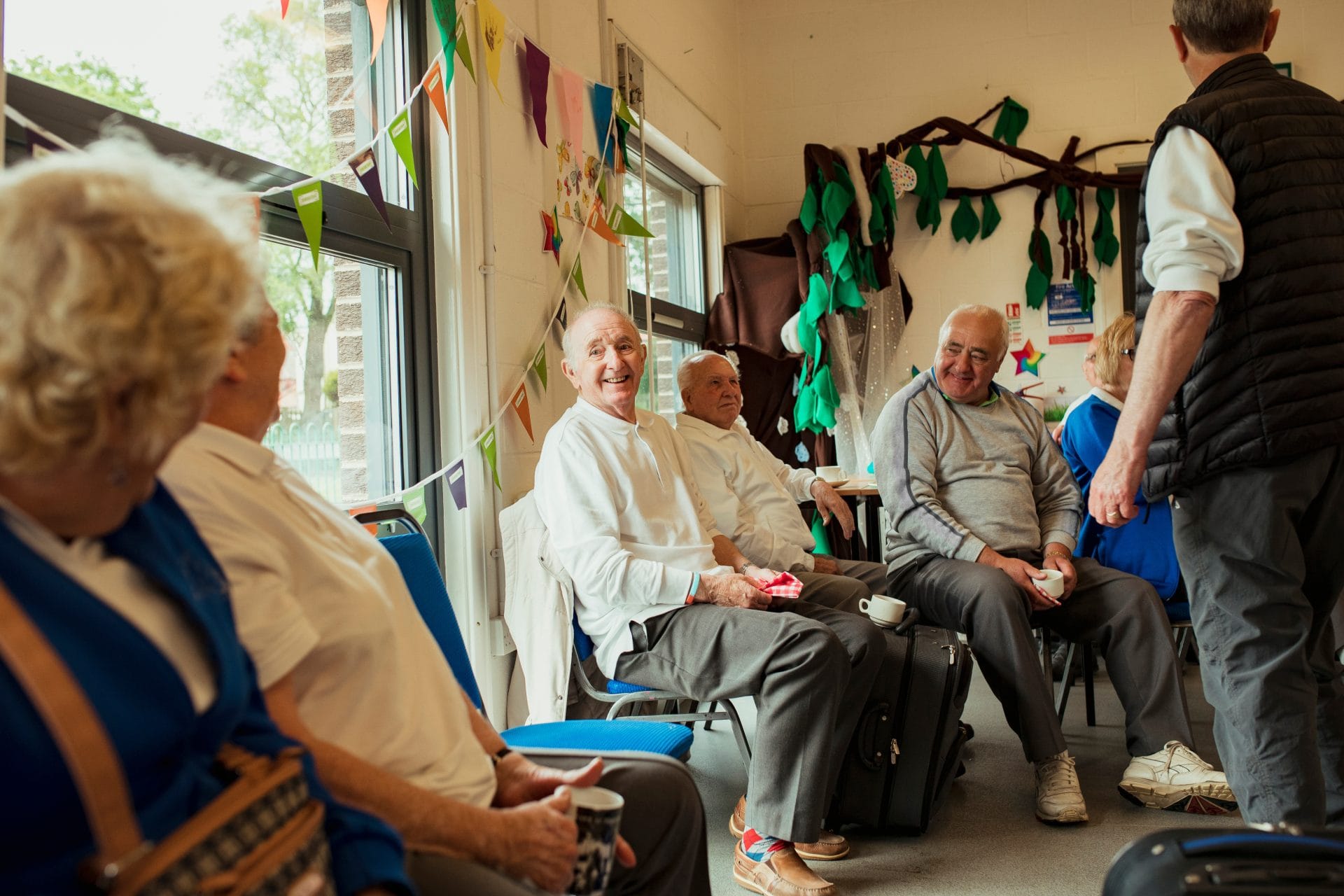
Who can help you keep a healthy mind?
There are many community groups and health professionals who can help you keep a healthy mind. Click on each one to learn more.
If you have any concerns about your mind, alertness, or having a fall, it is best to speak to your doctor or GP. If you don’t have a regular doctor or GP, use the Healthdirect service finder to find one near you.
Your local council, library, or community centre can also help you find groups and activities to keep a healthy mind. To find more community groups, organisations, and free or low-cost activities in your local community, search the Injury Matters eDirectory.
Aboriginal Health Workers can connect you to services to help keep your mind and spirit strong. For more information visit the services below:
Learn more
Good nutrition and managing the medication you take is also important for keeping a healthy mind. Learn how you can Fuel Your Body and Check Your Medicines to prevent falls.