It’s common to take more medication later in life due to changes in our bodies and health. Medicines can help us feel better, stay active, and manage health conditions. But they may also cause side effects and interactions that increase the risk of falls.
Because of changes that happen in your body, like the amount of muscle, fat, and water, your medication needs can change over time. You are more likely to feel side effects from medicines, become sensitive to medicines or not be able to process them as well. Your body may also react differently to the medications you are already taking.
You may be at risk of a fall if you:
- take more than one medication
- have started a new medication
- take medicines to help you sleep
- drink alcohol
- have not had your medicines checked by your GP or pharmacist in the last year.
What are the different types of medicines?
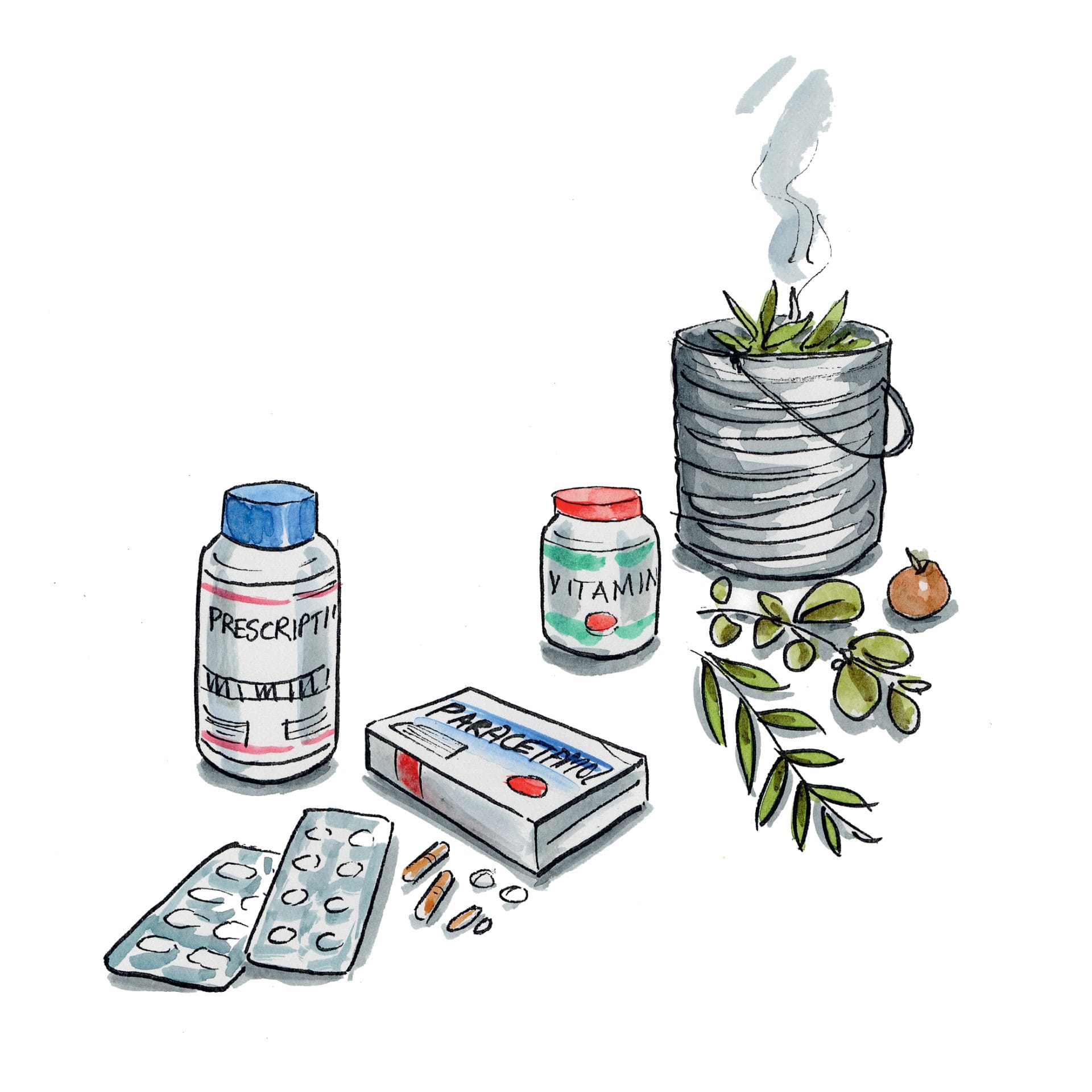
Medicines, or medications, can include prescription (by a GP or doctor), over-the-counter (pharmacy of supermarket), supplements, vitamins, herbal, and natural or bush medicines.
Medicines can come in many forms, including:
- tablets and capsules
- liquids
- nasal sprays
- supplements
- inhalers
- patches
- creams
- injections
- suppositories
- eye or ear drops.
Side effects of medicines that can cause falls
Medicines affect everyone differently. All medicines have possible side effects, but not everybody will experience them. If you are starting a new medicine, it’s important to ask questions about side effects and what they mean for you.
Have your medicines reviewed every year and ask your GP or pharmacist to explain the side effects.
Common side effects of medicines that can increase the risk of falls include:
- reduced alertness and reaction time
- feeling tired, drowsy, or confused
- feeling dizzy, lightheaded, or unsteady
- blurred or double vision
- changes to your balance and coordination.
Sleeping tablets
Taking sleep medication can increase your risk of falling. You may still feel the side effects from sleeping tablets, even after you wake up. Speak with a GP or doctor about how to improve your sleep without medicines.
Tips for checking your medicines
- Have your medicines checked by your GP or pharmacist every 6-12 months.
- Ask your GP or pharmacist questions about your medicines, especially when starting a new one or changing dose.
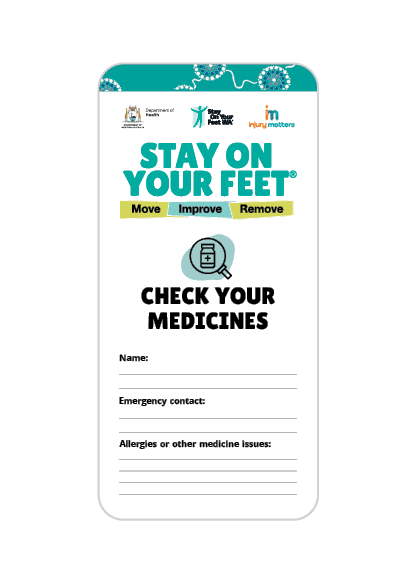
- Keep an up-to-date list of all your medicines. Include details like the name, dose, when you started, and what it’s used for.
- Always check the use-by date on your medicine. Don’t use old medicines and return them to your local pharmacy.
- Don’t share medicines with others and only take medicines that are prescribed for you.
- Ask your pharmacist about a dosage tool, such as a Webster-pak, so you know which medications you need to take and when.
- Set alarms on your phone or watch to remind you to take your medication.
- Avoiding drinking alcohol while taking medication.

Pay attention to how your body and mind feel. If you notice any side effects, such as feeling dizzy, drowsy, or changes in your thinking or mood, speak to your GP.
Tools to help manage your medicines
Knowing as much as you can about your medicines and managing them safely can help prevent side effects or interactions causing a fall. Click on each heading for more information.
A medicine list can be a useful way to keep all your medication information in one place. Keeping an up-to-date medicines list will:
- help you to know more about your medicines and why you are taking them
- help your GP or pharmacist check your medicines
- remind you how much and when to take your medicines
- make sure everyone involved in your health care knows which medicines you use
- provide information about your medicines in an emergency.
Click on the medicine list to download.

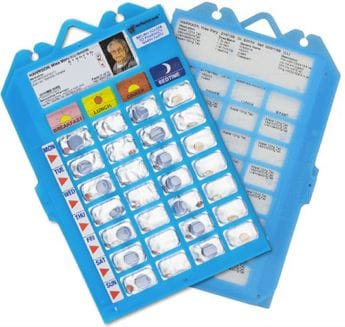
A Webster-pak is a sealed blister pack that sorts your medications by day and time. It helps you take the right medication at the right time and avoid missing or double-dosing.
Your pharmacist can set up Webster-pak for a small weekly fee. The pack includes details on all your medications and is very easy to follow.
Speak to your GP about a referral for a free home medicine review by a pharmacist. During a home medicine review, an accredited pharmacist can:
- visit your home and check your medicines
- help you understand what medications you are taking, when, and how
- suggest tools to improve medicine management
- identify medications that interact and cause side effects that may harm you
- reduce unnecessary or duplicate medications to save money and improve health.

Use these tools to search medicines by active ingredient or brand name and learn about the medicines you have been prescribed or recommended for treatment.
Learn how to manage your medications with Peter and Nancy.
Who can help you manage your medicines?
There are many community workers and health professionals who help you manage your medicines. Click on each one to learn more.
If you have any concerns about your medications or side effects, it is best to speak to your doctor or GP and have a medicine review. If you don’t have a regular doctor or GP, use Health Direct to find one near you.
A pharmacist can review your medicines to make sure they are safe and work well together. They can suggest simple ways to manage your medicines, such as tools to open bottles or cut tablets. They can also help you take your medicines at the right time each day. For more information on your local pharmacies, you can contact:
- National Prescribing Service
- Pharmacy Guild of Australia
Aboriginal Health Workers can help you to find services that suit your needs. They help to provide a link between Aboriginal communities and health care services. For more information visit the services below:
Learn more
Good nutrition and keeping your mind active are also important for preventing falls. Learn how you can Fuel Your Body and Keep a Healthy Mind to support healthy ageing.