
Did you know that the bedroom and bathroom are the most common places inside the home for falls to happen? One reason is nocturia – waking during the night to go to the toilet. Nocturia is more common as we age, especially from around 50, when body changes can lead to more night-time toilet trips.
Common causes of nocturia include:
- hormonal changes
- prostate issues
- changes in the bladder
- medical conditions such as diabetes, heart problems, high blood pressure and sleep apnoea
- some medications, including medicines that contain a diuretic
- lifestyle factors, such as drinking alcohol or caffeine in the evening.
There are things you can do to reduce how often you wake during the night, such as reducing fluid intake in the evening and having your medicines reviewed, but it is also important to make the trip to and from the toilet as safe as possible. A few simple changes can help reduce the risk of a fall.
To make night-time toilet trips safer:
- Keep the path clear.
- Tuck in bedding and make sure covers do not hang over the side of the bed where they could catch your foot or leg.
- Store clothing, shoes and other items away from walkways.
- Remove mats that are thick or curl at the edges.
- Before standing, sit on the edge of the bed and wait for any dizziness to settle.
- Avoid walking in socks. Wear safe indoor footwear, such as well-fitting slippers that secure your foot with a strap.
- Keep walking aids within reach of your bed.
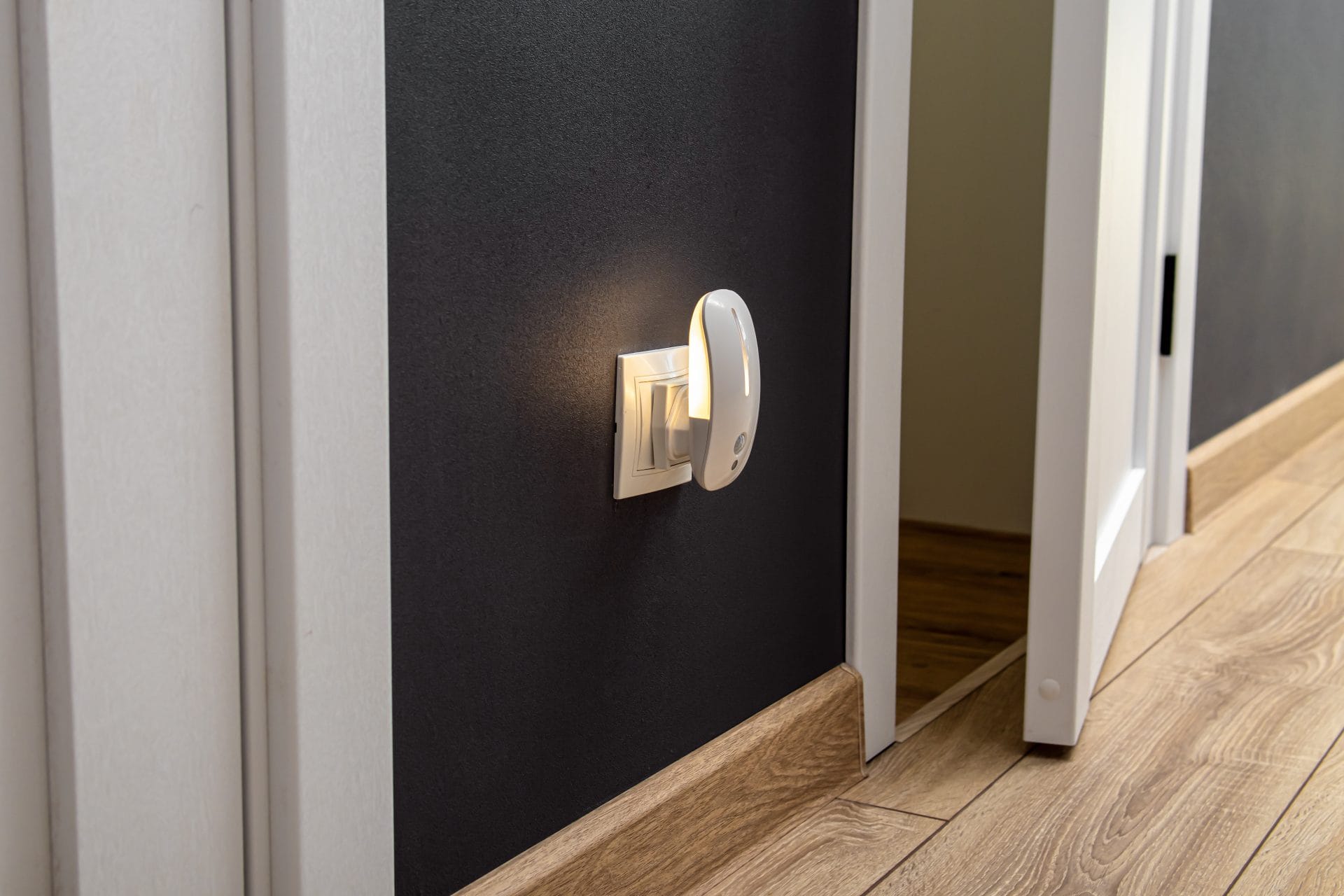
- Light the path. Consider installing a sensor light so you can clearly see the way to the toilet.
- Use non-slip mats in the bathroom.
- Take your personal alarm device with you.
Small changes in the bedroom, hallway and bathroom can make a big difference. If nocturia is affecting your sleep or safety, speak with your GP or health professional for advice.