
Injury Matters recently #connected with Shannon Goodwin, WA State P.A.R.T.Y Program Coordinator from Royal Perth Hospital, to learn more about the Preventing Alcohol and Risk-Related Trauma in Youth (P.A.R.T.Y) Program.

The Prevent Alcohol and Risk-Related Trauma in Youth (P.A.R.T.Y.) Program is an injury prevention program designed to help young people understand how one decision can change a life in seconds.
In this program, young people hear directly from the clinicians who care for trauma patients, the people involved in rehabilitation, and individuals with lived experience of serious injury. They see what happens after the ambulance arrives: the emergency response, intensive care, rehabilitation, and the long-term impact on a person’s independence, relationships, education, work and future.
Our role is to create a safe but powerful learning experience that encourages young people to pause, think ahead and recognise risk before an injury occurs.
Who is the target audience, and how does the program support them?
The program is primarily designed for young people aged 14 to 18, a time when independence is increasing, and decisions around driving, alcohol and other drugs, peer influence, eRideables and risk-taking can have lifelong consequences.
We work with secondary schools, youth organisations and youth justice participants across metropolitan and regional Western Australia. The program supports young people by meeting them honestly and respectfully. We do not lecture them or assume they will never take risks. Instead, we help them recognise how quickly a situation can escalate, consider who else may be affected, and identify safer choices they can make for themselves and their friends.
The program also supports teachers and communities by opening conversations that can continue well beyond the day itself.
What are the key activities or components of the program?
Our hospital-based P.A.R.T.Y. Program is an immersive, full-day experience that follows the trauma journey from prevention and the scene of an incident through emergency care, intensive care, rehabilitation and life after injury.
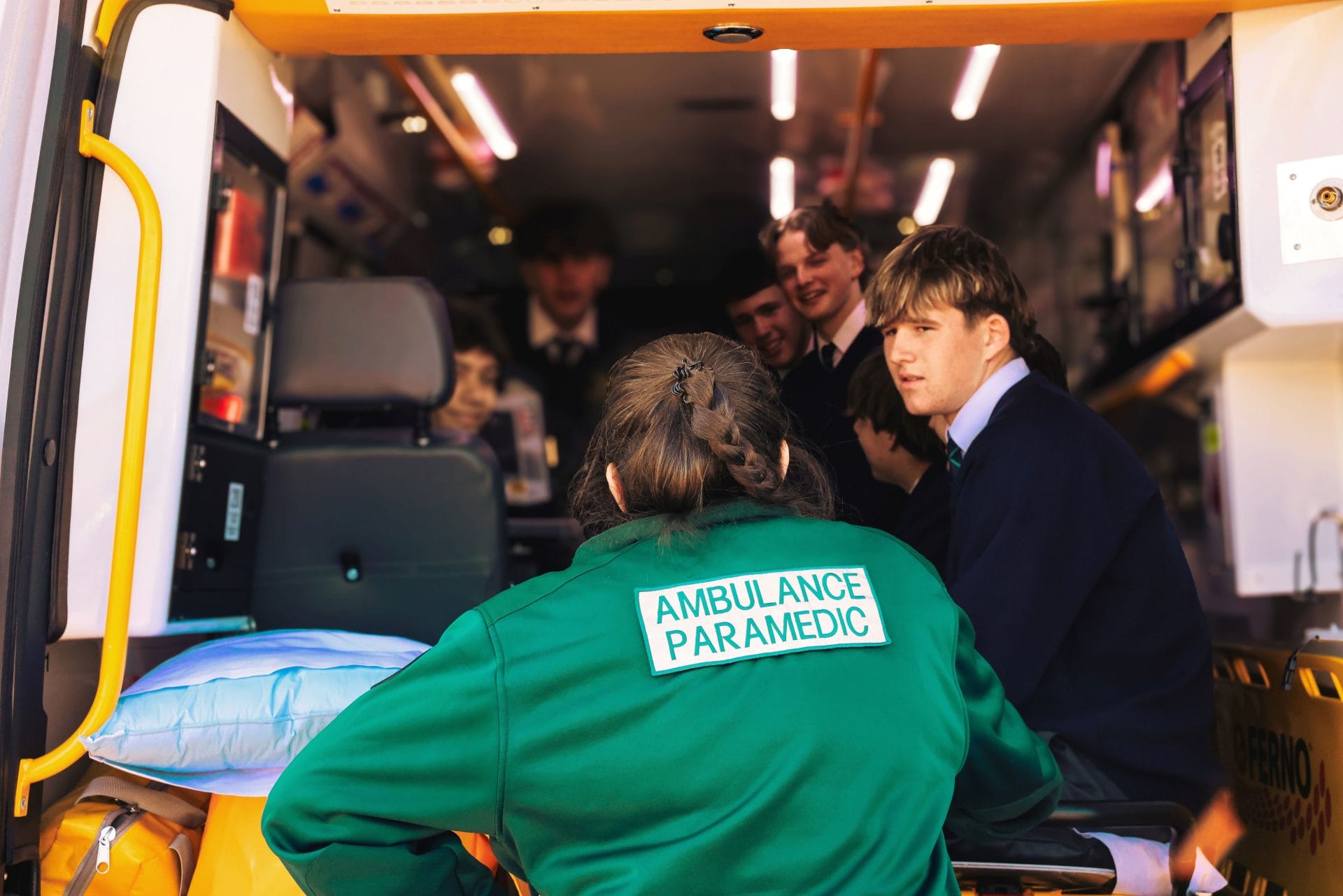
Students meet paramedics, doctors, nurses, allied health professionals and people with lived experience.
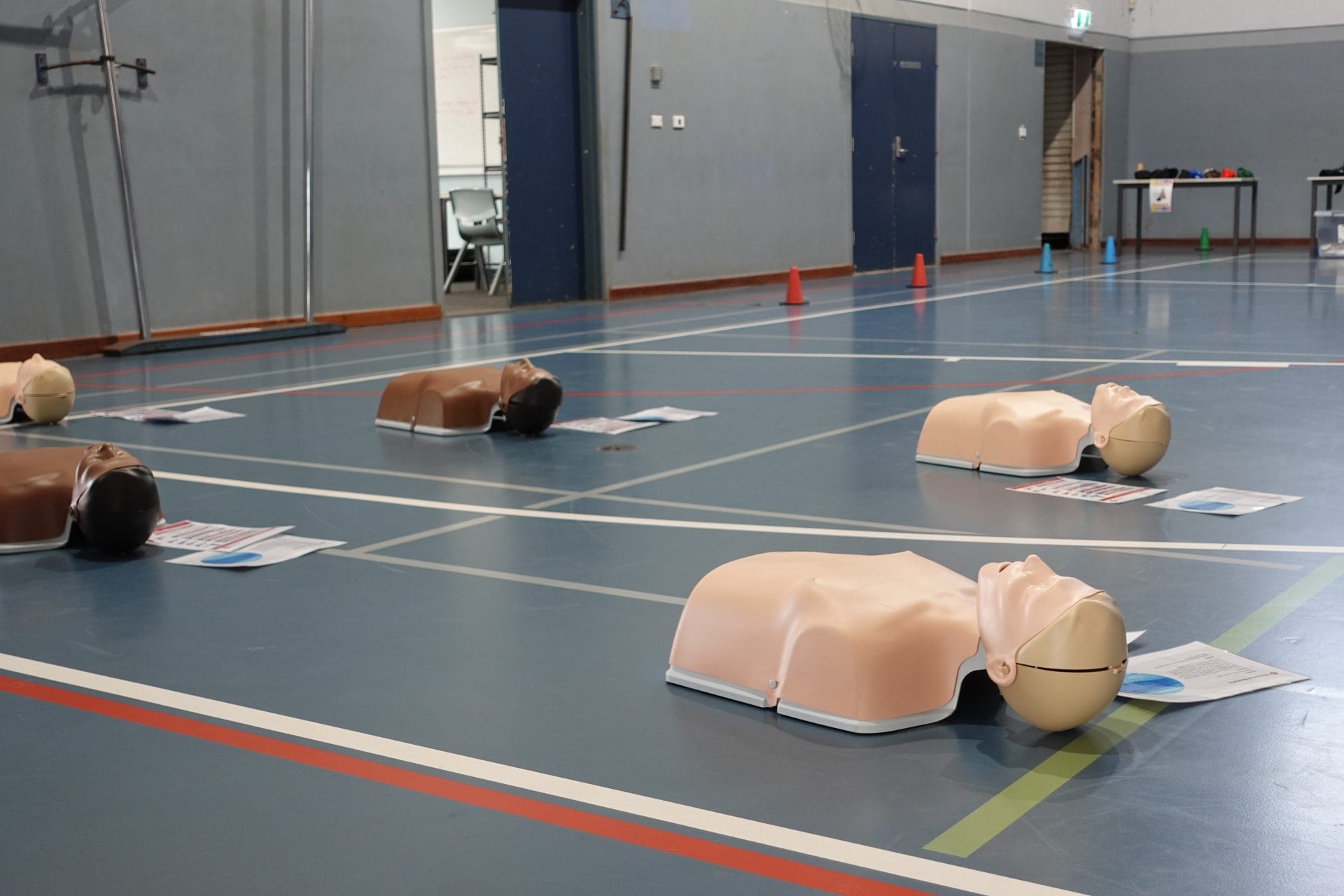
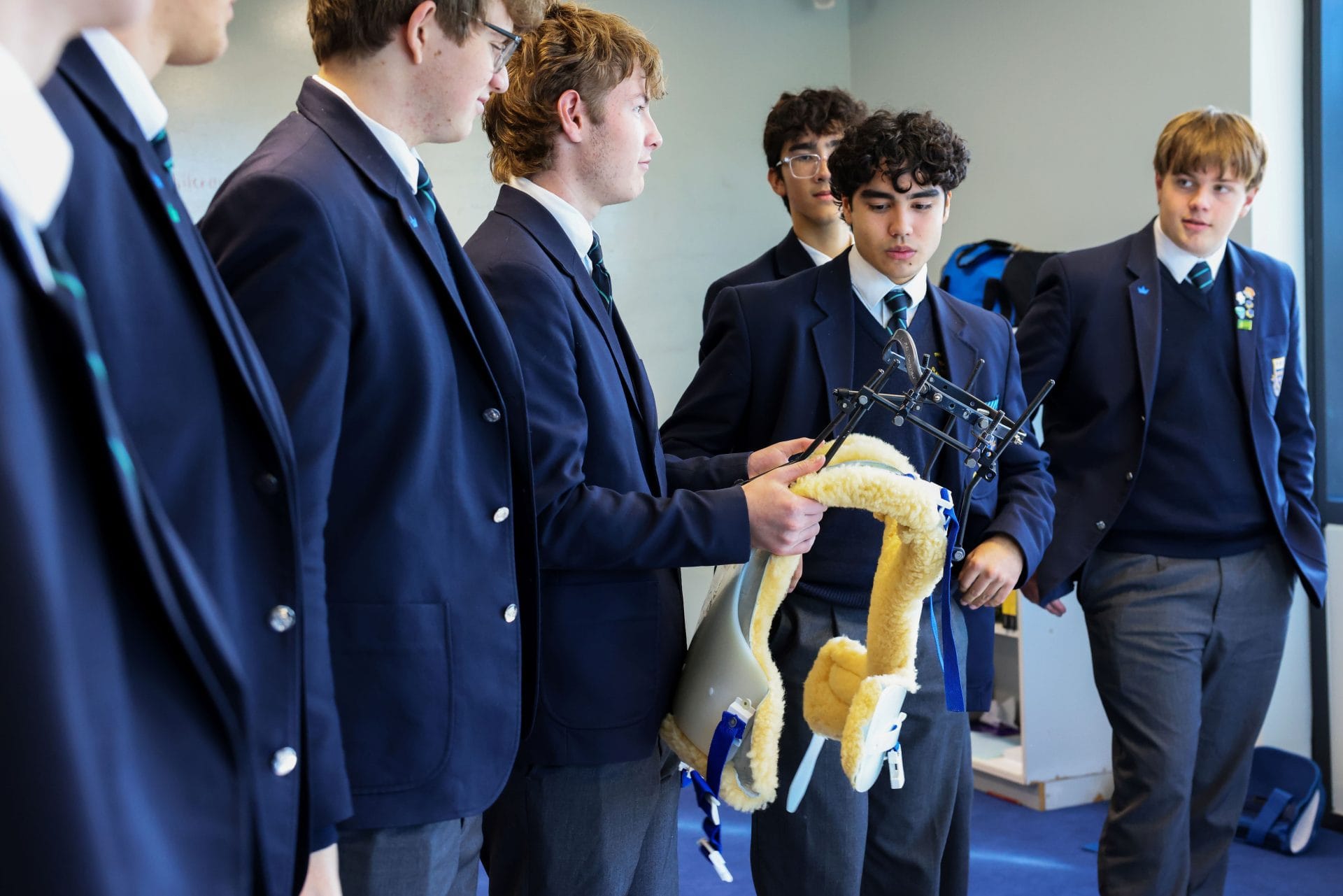
They visit key hospital areas, see the equipment and teamwork involved in treating serious injuries, and take part in practical activities that demonstrate some of the challenges patients may face during rehabilitation and recovery.
Throughout the day, students explore not only the physical effects of trauma, but also the emotional, social and financial impact on the injured person, their family and the wider community. The program concludes with an injury survivor sharing their personal story, bringing the day together and highlighting how one preventable incident can have lifelong consequences.
Alongside our hospital programs, we deliver outreach sessions in schools and communities across WA. We are also exploring new ways to strengthen engagement, including virtual reality experiences, while making sure the program’s most important element remains the genuine human connection between young people, clinicians and lived-experience speakers.
What outcomes, successes or learnings have emerged so far?
One of our greatest successes has been the program’s growth without losing the personal, multidisciplinary approach that makes it meaningful. In the 2025–26 financial year, the WA P.A.R.T.Y. Program reached 6,528 young people through 97 programs, including 40 outreach activities and four regional trips. This was more than double the number of participants reached in the previous year.
Royal Perth Hospital established Australia’s first P.A.R.T.Y. Program and remains the country’s longest-running program. In 2026, it celebrates 20 years of educating young people about the real-life consequences of preventable trauma.
A key learning for us is that young people respond to authenticity. They remember honest conversations, real stories and the opportunity to ask questions without judgement. We have also learned that regional delivery cannot simply be a smaller version of a metropolitan program. Strong local partnerships, flexible delivery and an understanding of each community are essential.
The program continues to evolve through participant feedback, evaluation and collaboration with our clinical and community partners. We are particularly interested in how we can demonstrate not only what students remember immediately after a session, but how the experience influences attitudes and safer decision-making over time.
What challenges does your program see facing in the next 5 years?
The next five years will bring both opportunity and pressure. Demand for the program continues to grow, particularly from regional communities, so sustainable funding, workforce capacity and equitable access will be important. We also need to keep pace with the risks young people are facing.
The environment is changing rapidly, with eRideables, mobile phone distraction, social media influence, alcohol and other drug use, and new patterns of transport and recreation all shaping injury risk.
Another challenge is balancing innovation with what we know works. Technology and virtual reality can make education more accessible and engaging, but they should enhance rather than replace real conversations and lived experience. Finally, we need to continue strengthening evaluation so that injury prevention programs can clearly demonstrate their longer-term impact and remain supported as essential, rather than optional, health initiatives.
How can people in the sector get involved in your program?
The program relies on collaboration, and there are many ways for people in the injury prevention sector to connect with us. We welcome opportunities to partner on school and community outreach, regional delivery, evaluation, research, emerging injury issues and the development of resources for young people.
Health professionals and organisations can also support the program by sharing expertise, presenting within sessions, helping us connect with local communities, or identifying opportunities where the P.A.R.T.Y. Program could complement existing prevention work.
The WA team can be contacted at [email protected].
Any other information you would like to share?
This year marks 20 years of the P.A.R.T.Y. Program at Royal Perth Hospital, which is a significant milestone for our team and the many clinicians, partners and lived-experience presenters who have contributed over the years.
We are continuing to expand our reach across Western Australia, with regional programs and outreach planned throughout 2026, alongside community events such as the Perth Royal Show. We are also progressing our virtual reality pilot and looking at how it can be thoughtfully incorporated into future sessions.
Most importantly, we would love schools, communities and injury prevention organisations to keep the conversation going. Preventing trauma is not about eliminating every risk from a young person’s life; it is about giving them the knowledge, confidence and perspective to recognise a dangerous moment and make a choice that protects their future.
Connect with industry
We hope you enjoyed this Program Spotlight update. If you would like to be featured and share the great work going on in your sector for injury prevention, please email: [email protected]
If you are looking for regular updates on the great work other injury prevention organisations are doing across WA and how you can collaborate with them, why not join the Injury Prevention Network.