
Road trauma can affect anyone, and impacts everybody differently. From people who have caused a crash to those who have witnessed one. From first responders to bereaved family and friends.
The effects of road trauma ripple through our lives and communities in different ways. Road trauma can leave you feeling stressed, overwhelmed, helpless and vulnerable.

Common reactions after road trauma include:

What helps after road trauma?
There are things you can do to support your recovery after road trauma:
- Acknowledge the impact of what you’ve been through and give yourself time to process it.
- Remember that many reactions are normal after trauma, an most will ease over time.
- Keep a regular routine where you can – everyday structure can help you feel more in control.
- Do calming activities to help your mind and body to recover.
- Avoid using alcohol or drugs as a way to cope. Sleep and nightmares usually improve gradually.
- Connect with supportive people you trust. Good support from family and friends can make a big difference.
- Express your feelings in healthy ways, and consider speaking with a trauma-informed professional if you need extra support.
- You may feel re-triggered in the days or weeks after the event. To support yourself:
- Limit media exposure, including news and social media about the incident.
- Set boundaries with others about how much you want to share and how often you want to talk about it.
When to seek help
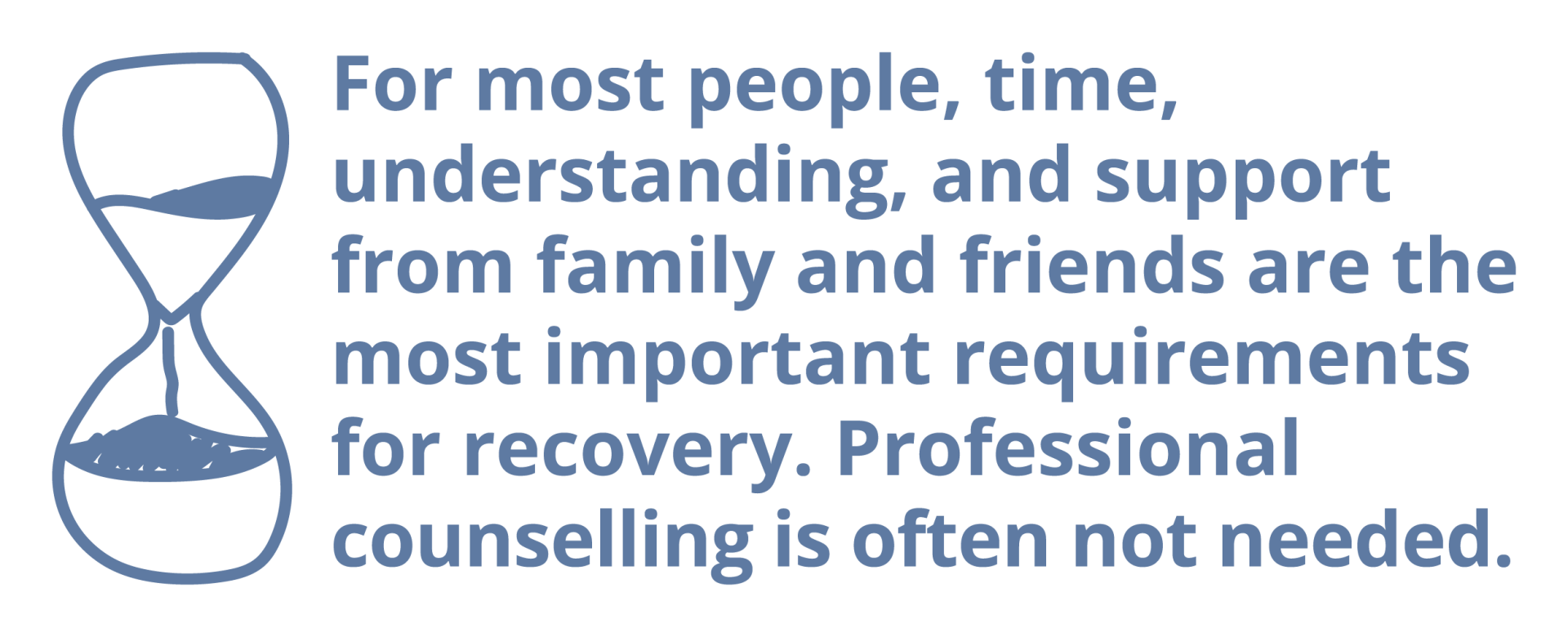
Most people recover from trauma with time, understanding and support from family and friends, and don’t usually need professional counselling. However, some people may continue to experience symptoms that affect their daily life and might benefit from extra support. The following are signs you may need to seek professional advice:
- Trauma symptoms are ongoing and have not reduced after 4-6 weeks.
- If you are having trouble functioning at home or work.
- You feel regularly confused, emotionally numb or out of touch with reality.
- If your relationships are suffering or you’re having an increasingly difficult time connecting with and relating to others.
- If you are avoiding things that remind you of the traumatic event.
- If you are experiencing thoughts of harming yourself or others.
- If you are increasing, the use of alcohol or other harmful substances.
You can organise a health check with your General Practitioner (GP) who can give helpful advice on next steps and refer you to local support options including Counsellors or Psychologists.
A trained professional can help you process your experiences and support you in a safe and non-judgmental way. Even if the event occurred some time ago, it is never too late to seek help.


